GUILDPRIME INSIGHTS
The challenges of delivering high-end fit-out projects in Central London
By Domonic Mahoney · Marketing Manager | Monday 5th October 2026
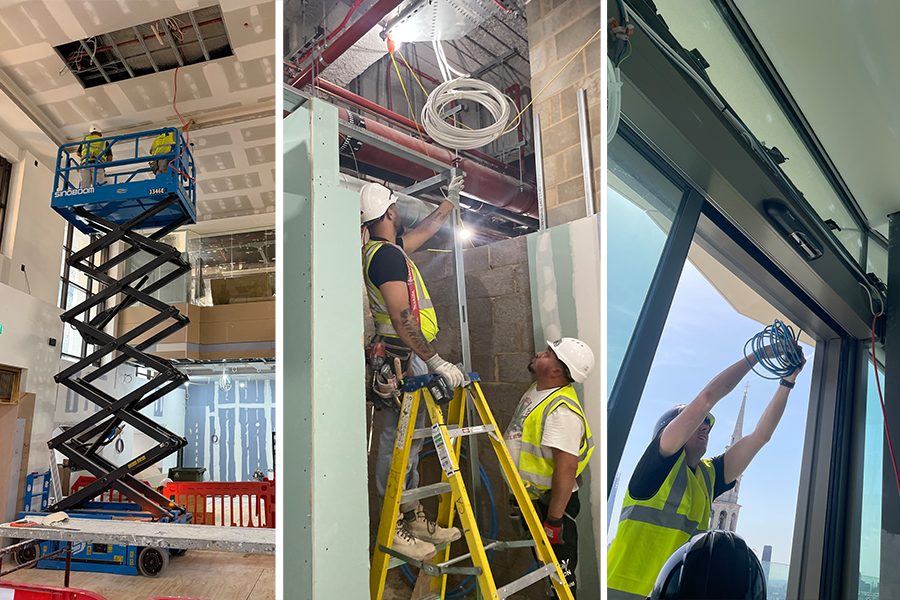
Central London is home to some of the world’s most prestigious hotels, restaurants, retail destinations, offices and residences. Delivering a high-end fit-out within these environments can be hugely rewarding, but it also brings a particular set of challenges. Restricted access, limited storage, neighbouring businesses, demanding programmes and complex building services can all have an impact long before the finishes start going in.
After more than 40 years delivering construction, fit-out and refurbishment projects, we know that successful projects in Central London rely on much more than the quality of the finished product. They depend on careful planning, good communication and the experience to anticipate potential problems before they affect the programme.
Logistics and restricted access
One of the first challenges is often simply getting materials to where they need to be. Many Central London sites have little or no dedicated loading or storage space, with deliveries taking place within tightly controlled time slots and restrictions on vehicle movements, loading bays and building access. On projects within existing buildings, materials may also need to travel through shared entrances, passenger lifts or restricted circulation routes while other areas of the building remain fully operational.
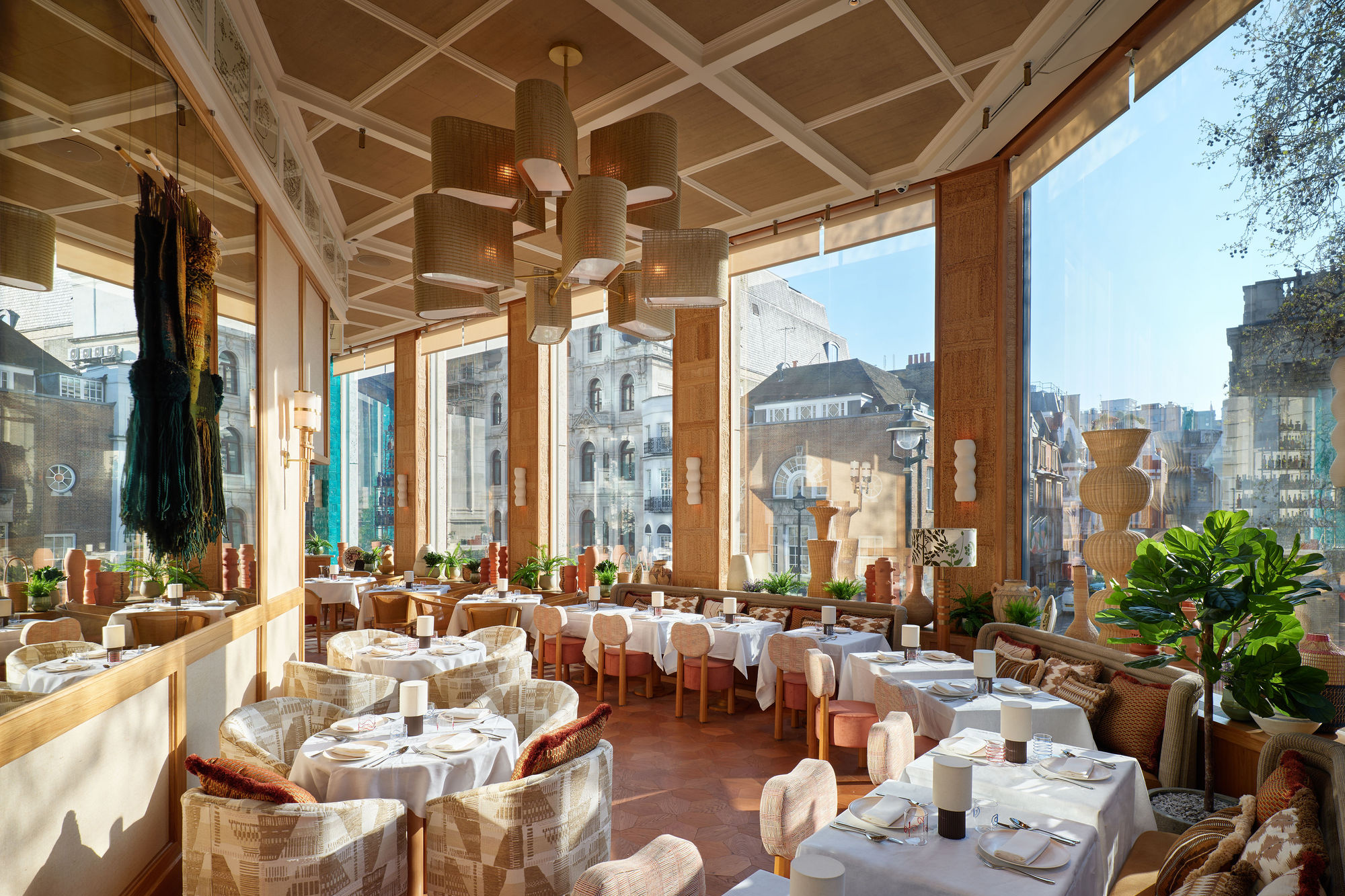
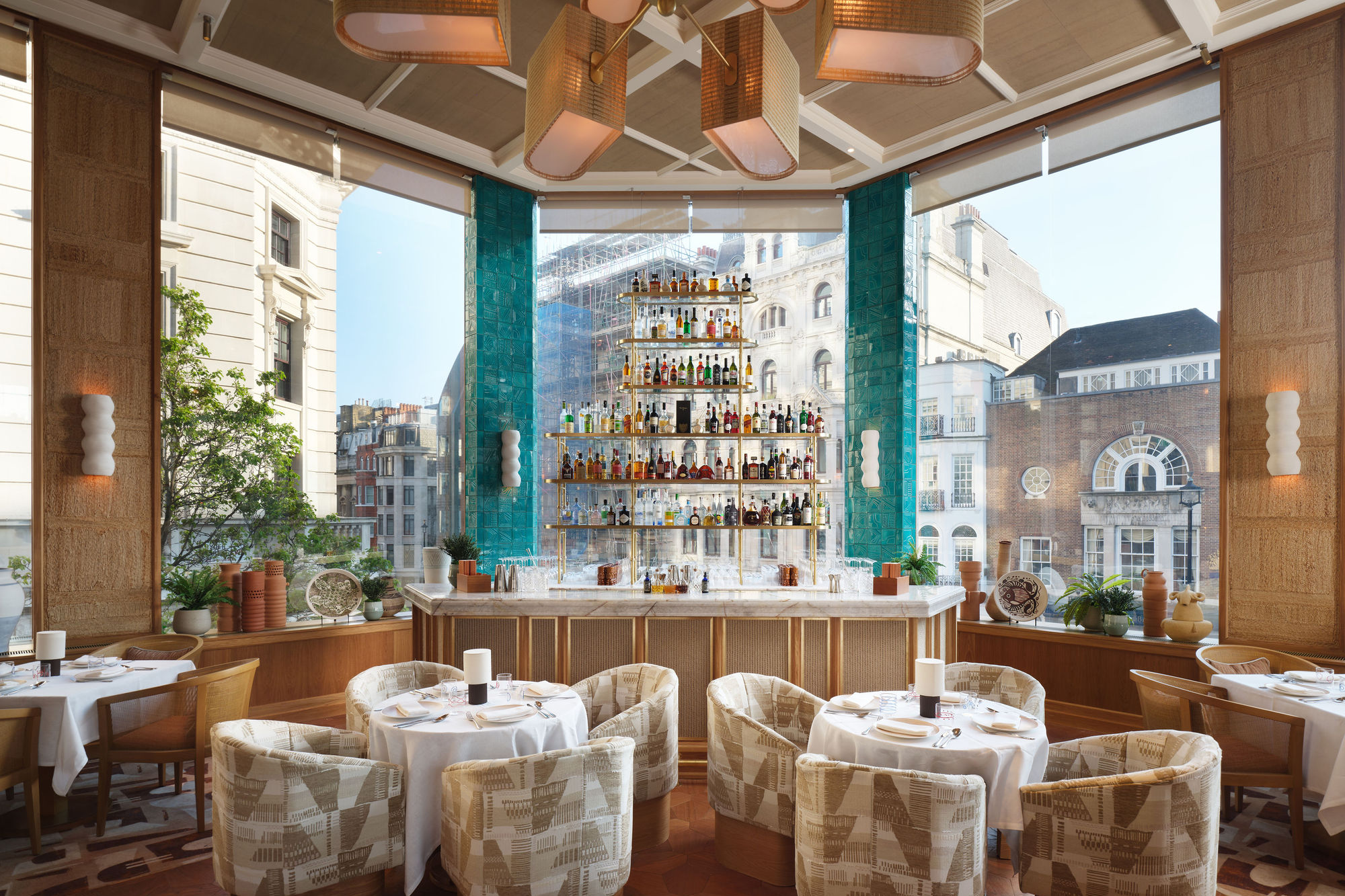
Our work on Riviera in Mayfair involved exactly these types of logistical challenges, with no goods lift and restricted working hours. Careful planning and coordination were essential to keep materials and trades moving without compromising the programme.
These constraints are worth establishing before the construction programme is finalised. Understanding loading restrictions, delivery routes, available storage, permitted working hours and any landlord requirements at an early stage allows the programme and procurement strategy to reflect the realities of the building. Detailed logistics planning, including delivery schedules, just-in-time deliveries and close coordination with suppliers and building management, can significantly reduce disruption once work is underway. On a busy Central London project, good logistics can have a significant impact on the efficiency of the entire programme.
Working in live environments
High-end refurbishment and fit-out projects frequently take place within occupied buildings or alongside businesses that need to continue operating. Noise, dust, vibration and access all need to be considered, along with the experience of tenants, customers, residents and neighbouring businesses. Certain activities may only be permitted during specific hours, which means elements of the programme need to be carefully sequenced or completed out of hours.
The aim is always to minimise the impact of the works on the people around them. Achieving this requires regular communication between the contractor, client, building management and other stakeholders, as well as a site team that understands the importance of working considerately within a live environment.
Protecting design intent
On a high-end project, the details are crucial – bespoke joinery, specialist finishes, stone, metalwork, feature lighting and carefully selected materials often have to come together within a relatively small area. Each element may be straightforward in isolation, but ensuring everything integrates correctly requires considerable coordination, and relatively small discrepancies in dimensions or interfaces can become very visible once the finished materials are installed.
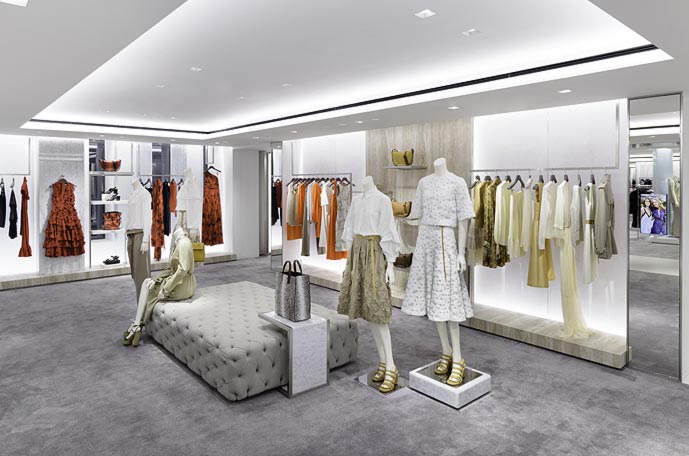
Our flagship retail fit-out for Michael Kors on Regent Street is a good example of the level of coordination required when delivering a high-end interior where the quality of the finish and consistency of the design are fundamental to the finished space.
The earlier these interfaces can be resolved, the better. Clients and design teams can help protect both the design and the programme by allowing sufficient time for technical design, samples, mock-ups and approvals before specialist items go into manufacture. This is particularly important where bespoke joinery, stone, metalwork, lighting and building services meet, as late changes to one element can have implications for several others.
Our own in-house joinery manufacturing facility is particularly valuable in this respect, allowing our project and joinery teams to work closely together and giving us greater control over quality, detailing and programme from design development through to manufacture and installation.
Coordinating building services
Some of the most visually impressive spaces can conceal a considerable amount of engineering. Restaurants, hotels, retail environments and high-end commercial spaces may require substantial mechanical, electrical, ventilation, fire, security and audiovisual systems, all competing for space above ceilings, behind walls and within bespoke joinery. The challenge is making all of those elements work technically without compromising the finished design.
This was particularly important at Riviera, where the restaurant’s theatre kitchen brought additional HVAC requirements into an already design-led environment. Close coordination with specialist contractors allowed the technical requirements to be resolved while protecting the overall design intent.
Early coordination between the design team, specialist contractors and site team is critical. Identifying clashes before installation begins can avoid unnecessary alterations later, while also protecting the programme and the finished appearance of the space.
The unpredictability of existing buildings
Central London contains an enormous variety of buildings, from historic properties to modern commercial developments, and refurbishment projects rarely provide completely predictable conditions. Opening up an existing building can reveal services, structures or previous alterations that were not apparent from the original information, so the ability to respond quickly and practically is important.
Clients embarking on a refurbishment should be conscious of this uncertainty when establishing both programme and budget. Existing drawings and surveys provide an important starting point, but where areas of the building are concealed there will always be limitations to what can be established before work begins. Early surveys and investigative works can reduce that uncertainty, while sensible contingency within the programme gives the project team more scope to deal with unforeseen conditions without immediately putting key dates at risk.
Experience makes a considerable difference when something unexpected is uncovered. The project team needs to assess the issue, involve the relevant consultants and specialists where necessary, and establish a practical solution while considering the impact on the wider programme.
Communication and programme
Central London projects can involve a substantial number of interested parties. Alongside the client and professional team, there may be landlords, building managers, neighbouring tenants, specialist designers, consultants and local authorities, each with their own requirements. Clear communication becomes just as important as construction expertise.
Establishing how information will be managed and who has authority to make decisions is worth doing at the beginning of the project. Delays in approving drawings, samples, RFIs or variations can quickly affect procurement and work on site, particularly where specialist or bespoke elements are involved. Clear responsibilities and realistic approval periods help the project team keep information moving at the same pace as the construction programme.
At Guildprime, we use Procore cloud construction software across our projects to keep drawings, RFIs, documentation and project communication within one central environment. This gives the project team greater visibility and access to current information, helping decisions to be made quickly and reducing the risk of people working from superseded information.
Programme pressures also tend to be significant – a restaurant may already have bookings scheduled, a retailer may have a planned opening date or a hotel may need rooms returned to operation, meaning a delay can have consequences beyond the construction programme. Where there is an immovable opening or handover date, it is important that this is understood by the whole project team from the outset. Long-lead materials, bespoke manufacturing, client approvals and specialist installations can then be planned backwards from that date rather than discovering later that a critical item cannot be delivered in time.
Programmes inevitably evolve and the ability to resequence works, coordinate trades and make decisions quickly can be the difference between absorbing a challenge and allowing it to become a delay.
Delivering the finished project
None of these challenges reduce the expectation for the finished space. Clients still expect exceptional quality, which means logistics, programme pressures, technical coordination and the unexpected realities of working within existing buildings all have to be managed behind the scenes without compromising the end result.
For Guildprime, that’s what delivering high-end fit-out in Central London is about. It’s not simply the quality of the finishes; it’s the planning, coordination, craftsmanship and practical problem-solving that allow those finishes to be delivered properly. Central London will always present challenges, but with the right preparation, experienced people and a collaborative approach, they can be anticipated and managed so that, at handover, the focus remains where it should be: on the quality of the finished space.

ABOUT THE AUTHOR
Domonic Mahoney
Marketing Manager, Guildprime
Domonic Mahoney is Marketing Manager at Guildprime, with over 14 years’ experience working in the construction industry. His role involves communicating the company’s expertise across high-end construction, refurbishment and fit-out projects, drawing on the knowledge and experience of Guildprime’s project delivery and specialist teams.
About Guildprime
Guildprime Specialist Contracts Ltd delivers high-end construction, fit-out and refurbishment projects across the residential, commercial, retail, hospitality and sports stadia sectors. Established in 1985, we combine extensive project experience with bespoke joinery manufactured at our own facility in Billericay, Essex.