
GUILDPRIME INSIGHTS
Delivering Fit-Out Works Within Operational Sports Stadiums
By Domonic Mahoney · Marketing Manager | Thursday 12th November 2026
Refurbishing a sports stadium presents challenges that are quite different from those of a conventional construction project. With fixtures, events and thousands of spectators to consider, work must often be completed within tightly defined periods while other areas of the venue remain operational.
Whether upgrading hospitality suites, concourses or premium seating areas, successful delivery depends on understanding the stadium’s operational requirements as well as the technical demands of the project.
Working Around the Sporting Calendar
Unlike many construction projects, stadium refurbishments often have deadlines that cannot be moved. The start of a new season, a scheduled fixture or a major event can determine when an area must be ready for use.
The off-season provides an important opportunity for substantial works, but these windows can be surprisingly short. Detailed planning before work begins is essential, particularly where demolition, structural alterations, building services and specialist finishes must all be completed within the same period.
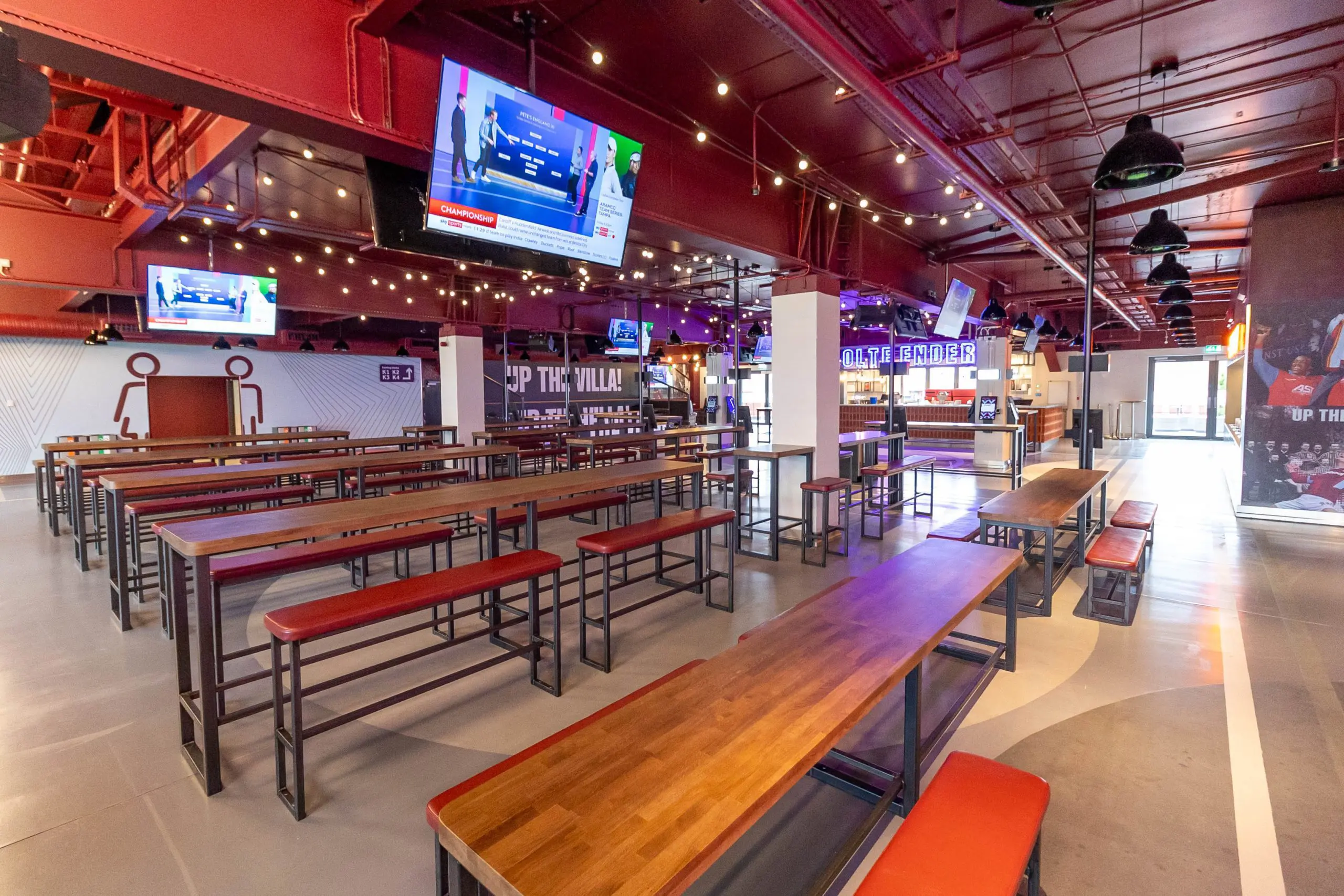
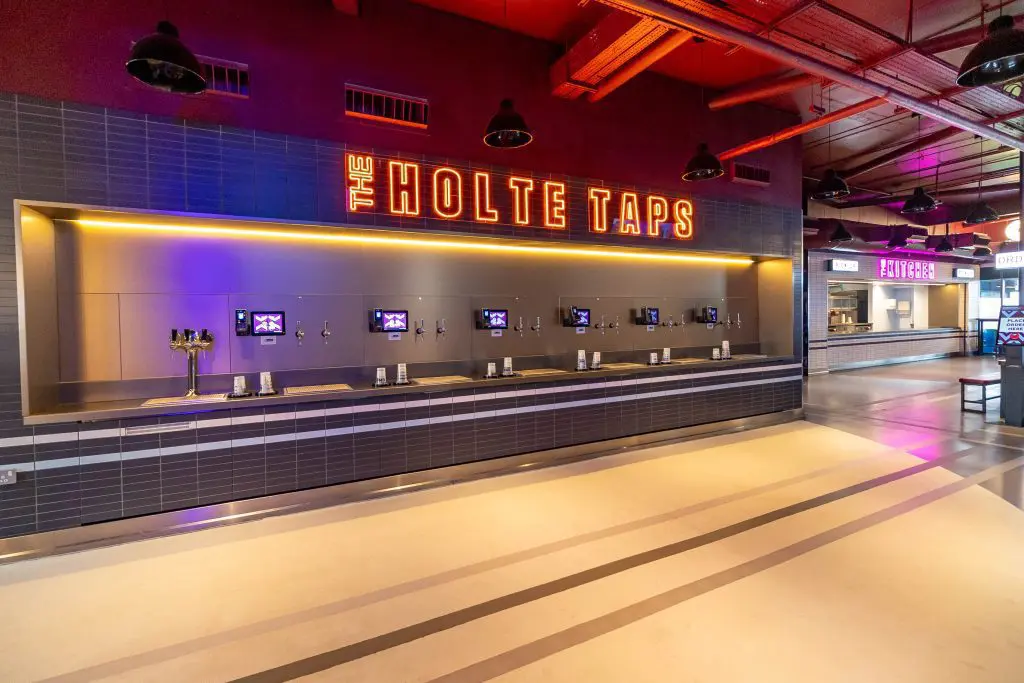
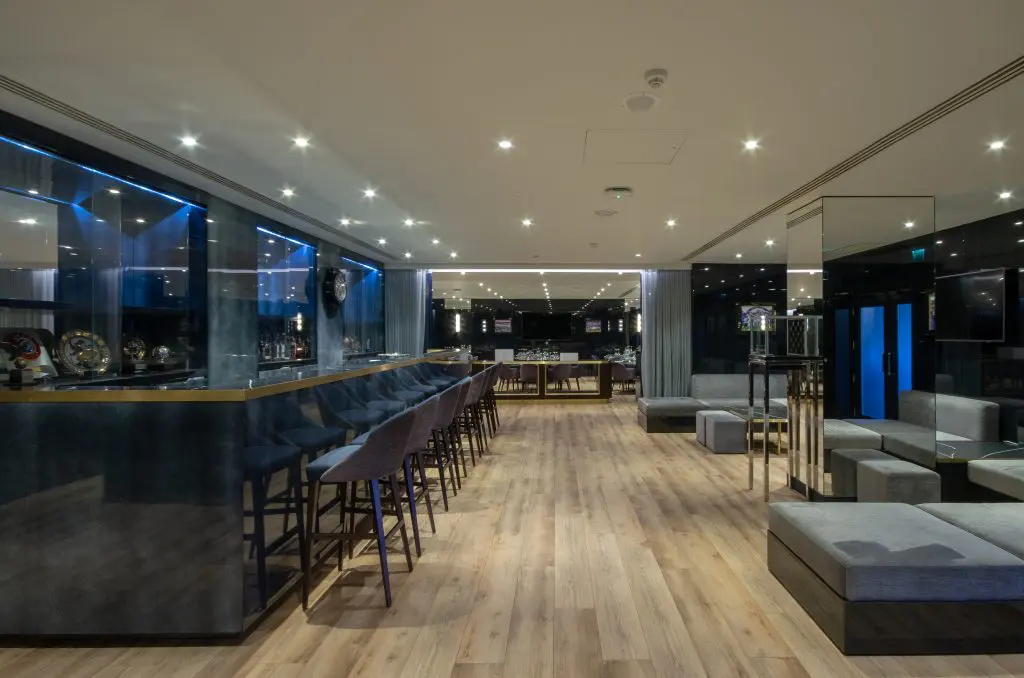
At The Terrace View, Aston Villa FC, Guildprime delivered a £3.3 million hospitality refurbishment within a 13-week programme. The project involved extensive alterations to the existing Holte End facilities, including new bars, seating areas and building services, with completion required ahead of the new football season.
Protecting Live Stadium Operations
Even when work takes place outside matchdays, a stadium may remain an active environment. Staff, contractors and maintenance teams often need to continue their operations uninterrupted throughout the construction period.
Access arrangements, deliveries, noise, dust and the segregation of working areas therefore require careful coordination with stadium management. Existing building services also need particular attention, as systems serving the construction area may be connected to neighbouring spaces that must remain operational.
The Terrace View project provides a good example. Works were undertaken within an existing stand containing services supporting adjacent concourses, requiring careful planning to ensure those systems remained undisturbed.
Balancing Programme and Quality
The pressure to complete work within a short period must not come at the expense of quality, particularly in premium hospitality environments where expectations are high.
Stadium fit-outs frequently combine bespoke joinery, specialist finishes, lighting, catering facilities and building services. Coordinating these elements early helps reduce delays during installation and allows more of the available time on site to be devoted to active construction rather than resolving design issues.
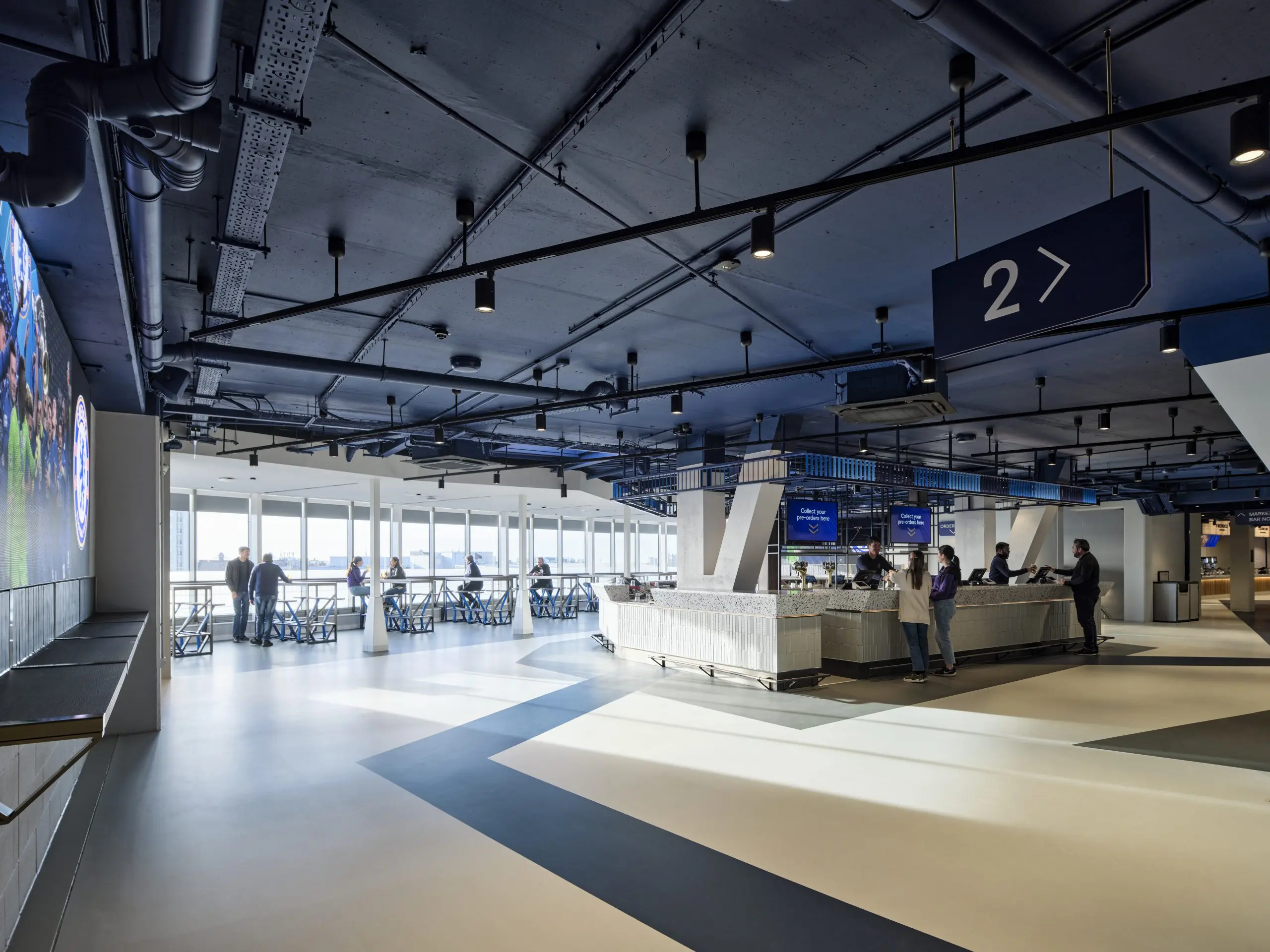
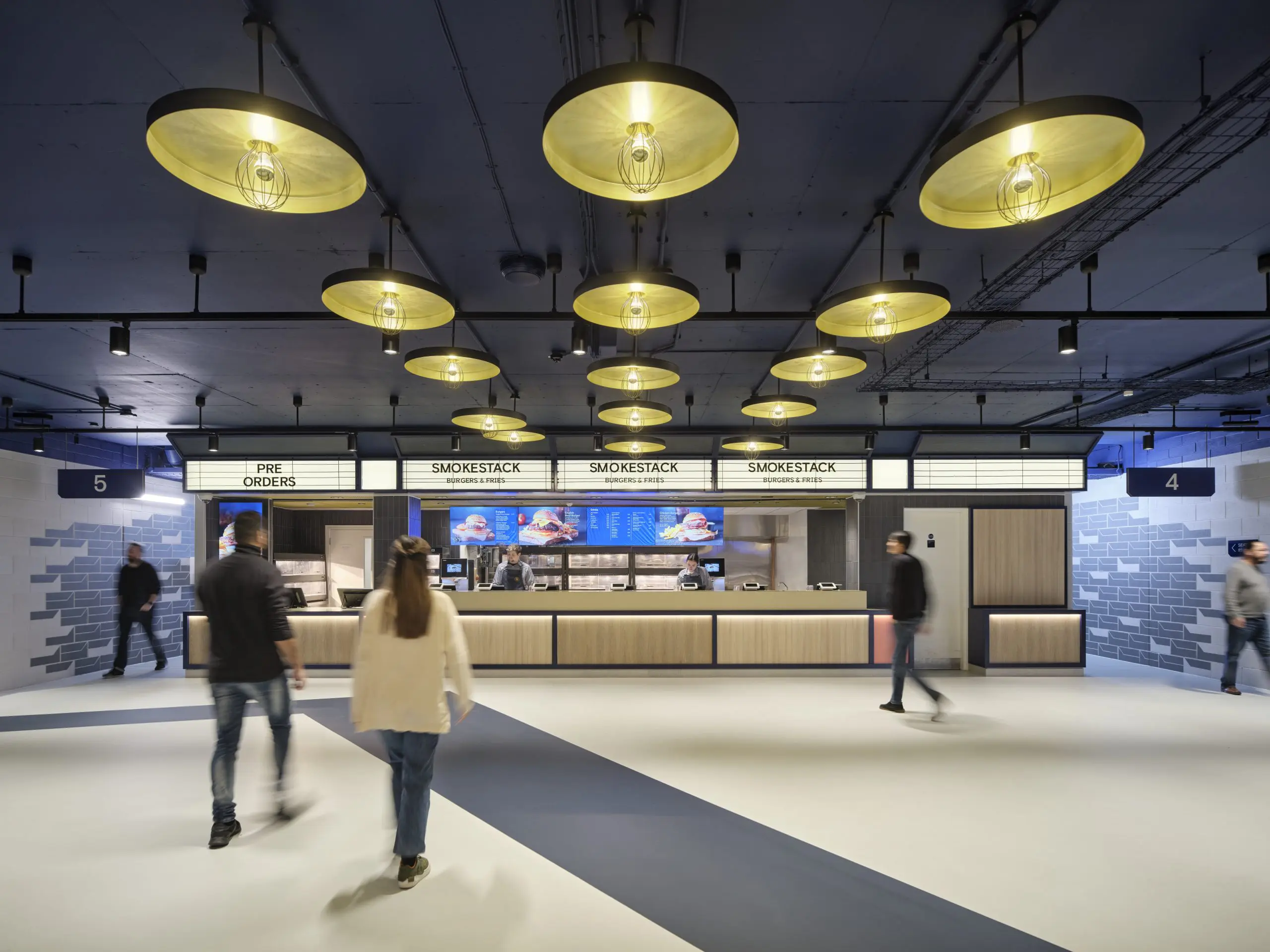
Guildprime’s Westview Concourse refurbishment at Stamford Bridge demonstrates the scale of work that can be involved. Delivered over 19 weeks, the £4.4 million project transformed the upper stand with new bars, a food emporium, improved accessibility and upgraded facilities. The works also involved integrating previously separate hospitality and concourse areas into a more open environment.
Smaller refurbishment programmes require the same attention to detail.
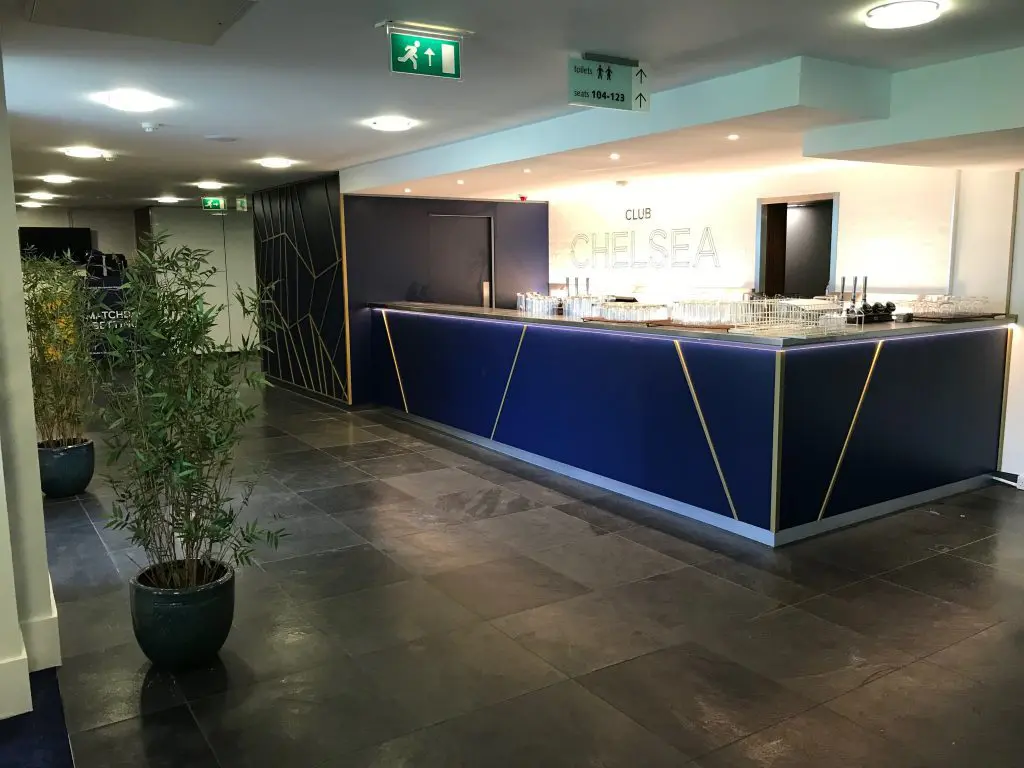
Our Stamford Bridge Hospitality Refresh included upgraded bar areas, bespoke seating, decorative panels and lighting, while the Directors’ Lounge at Chelsea FC featured specialist joinery, marble furniture and high-quality decorative finishes.
Planning for the Matchday Experience
The success of a stadium refurbishment is ultimately measured by how well the completed space performs when spectators return.
Hospitality areas need to offer comfort and a premium experience, but they must also support efficient service, circulation and maintenance. Concourse improvements may need to accommodate large numbers of visitors within short periods, making layout, accessibility and operational efficiency just as important as appearance.
Considering these requirements during design development helps ensure that the finished environment works for stadium operators, hospitality teams and supporters alike.
Experience Where It Matters
Delivering fit-out works within operational sports stadiums requires a combination of detailed planning, technical coordination and flexibility. The ability to work around fixed deadlines while maintaining quality and protecting existing operations is central to successful delivery.
With over 40 years’ experience in construction and fit-out, Guildprime has delivered a range of stadium projects, from major concourse redevelopment to premium hospitality refurbishment. Our experience at Chelsea FC and Aston Villa FC, supported by our in-house bespoke joinery manufacturing capability, gives us a practical understanding of the demands of these specialist environments.
For clubs and stadium operators planning future improvements, early engagement with an experienced fit-out contractor can help identify constraints, establish realistic programmes and make the most of the available construction window.

ABOUT THE AUTHOR
Domonic Mahoney
Marketing Manager, Guildprime
Domonic Mahoney is Marketing Manager at Guildprime, with over 14 years’ experience working in the construction industry. His role involves communicating the company’s expertise across high-end construction, refurbishment and fit-out projects, drawing on the knowledge and experience of Guildprime’s project delivery and specialist teams.
About Guildprime
Guildprime Specialist Contracts Ltd delivers high-end construction, fit-out and refurbishment projects across the residential, commercial, retail, hospitality and sports stadia sectors. Established in 1985, we combine extensive project experience with bespoke joinery manufactured at our own facility in Billericay, Essex.