
GUILDPRIME INSIGHTS
The benefits of choosing a design and build contractor for a high-end residential project
By Domonic Mahoney · Marketing Manager | Thursday 19th November 2026
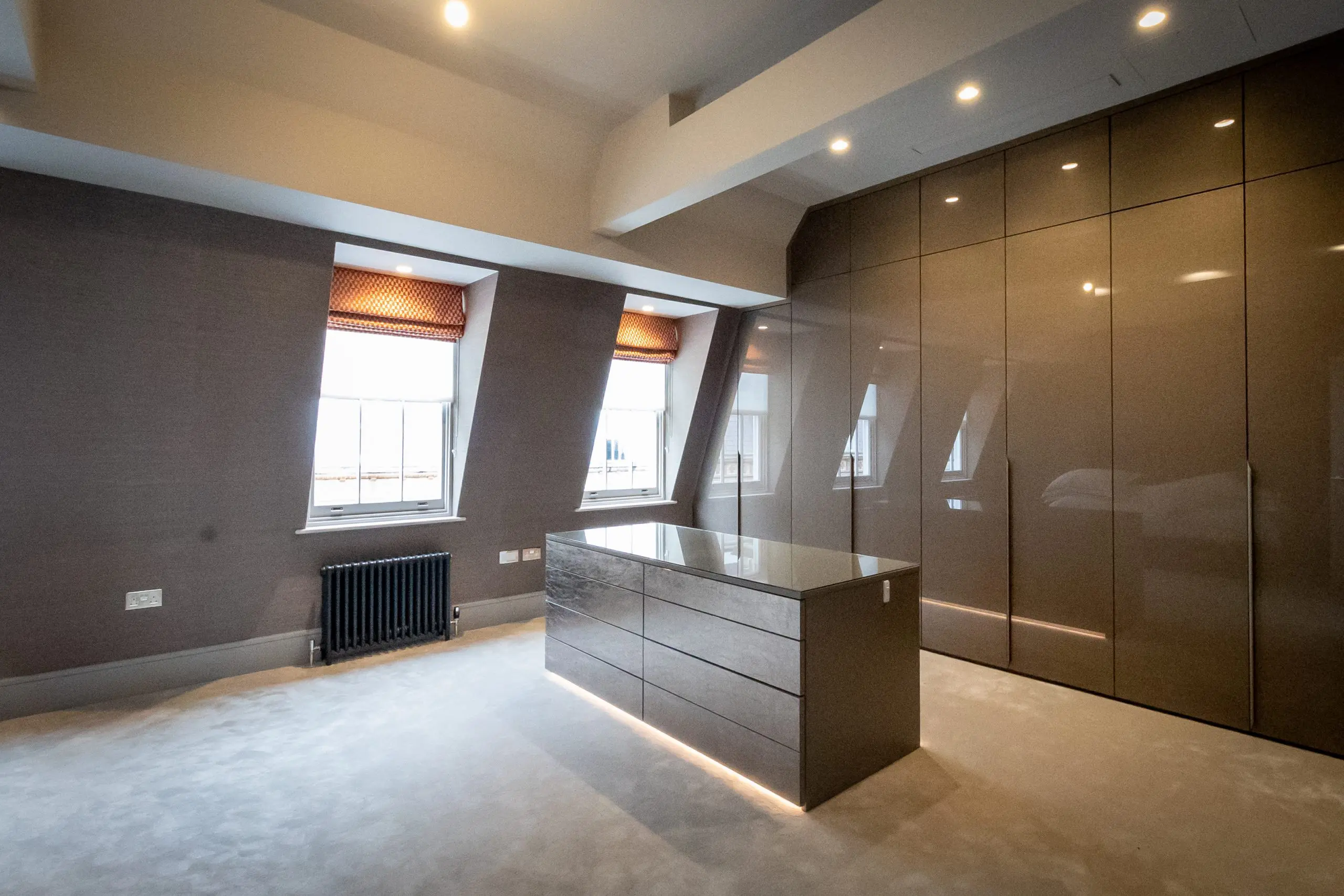
For homeowners and developers, one of the most important decisions is how the project will be procured and managed. Under a traditional arrangement, the client will typically appoint a design team to develop the scheme before separately engaging a contractor to carry out the construction work. Design and Build offers an alternative approach, with one contractor taking contractual responsibility for both design and construction, to the extent defined in the appointment.
When managed effectively, this can offer significant advantages for complex, design-led residential projects, particularly where bespoke detailing, specialist installations and challenging existing building conditions need to be carefully considered.
A more joined-up approach
One of the principal benefits of Design and Build is the opportunity to bring design development and construction expertise together much earlier in the process.
In a traditional arrangement, the design may be developed to an advanced stage before the construction team becomes involved. While this can work well, it can also mean that practical considerations relating to buildability, sequencing, procurement or site constraints are identified relatively late.
With Design and Build, construction knowledge can inform the development of the design from the outset. This allows potential challenges to be considered before decisions become difficult or expensive to change, helping the client and design team develop solutions that balance appearance, practicality and cost.
This is particularly valuable in high-end residential refurbishment, where the relationship between architectural detailing, structural alterations, building services and specialist finishes can be complex. Early collaboration can help ensure that the finished design is not only visually successful but can also be delivered efficiently and to the required standard.
Greater clarity over costs
Cost management is an important consideration on any residential project, particularly where the specification includes bespoke joinery, natural stone, specialist glazing, architectural metalwork or sophisticated mechanical and electrical systems.
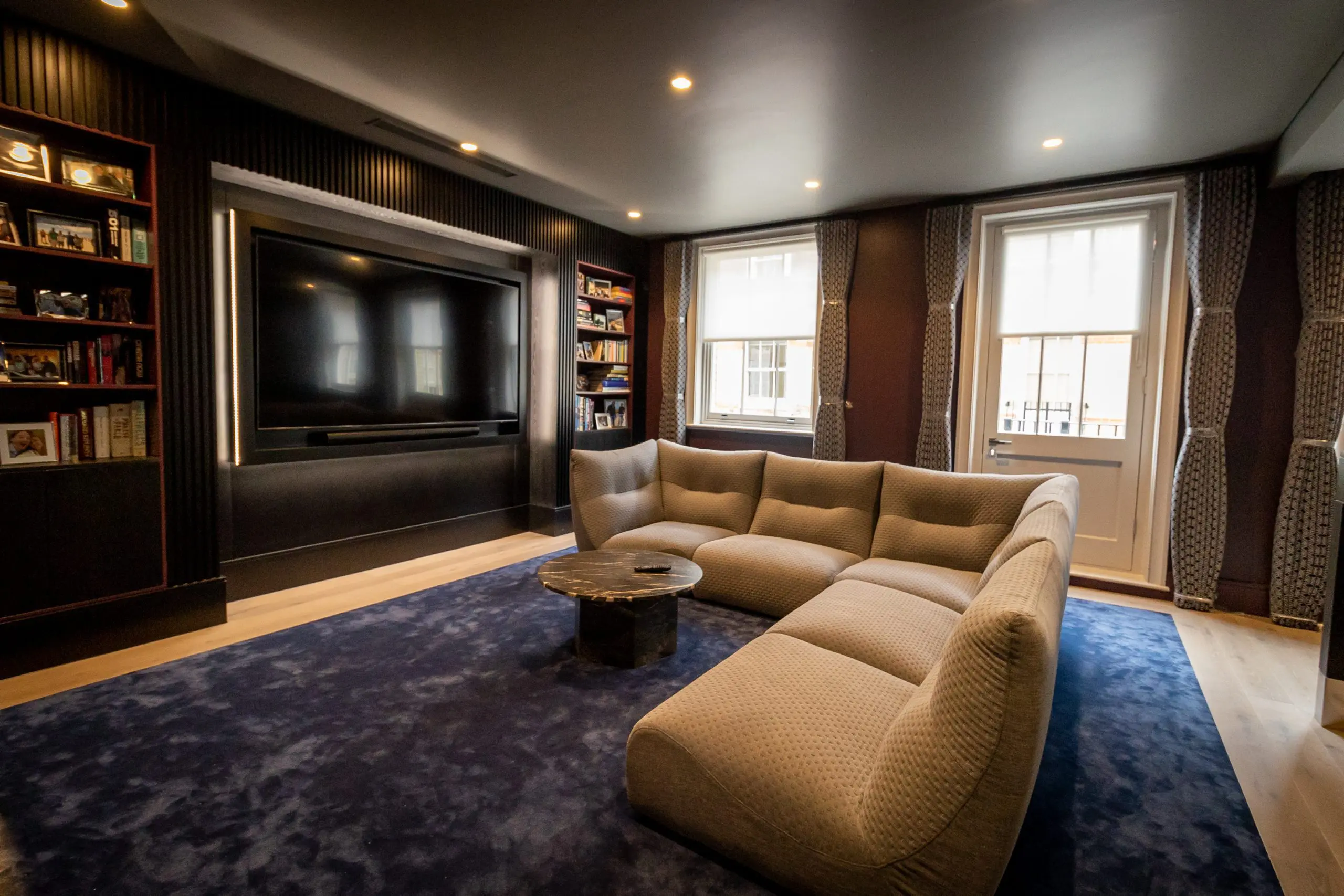
Under a Design and Build arrangement, the contractor can provide construction cost input as the design develops, helping clients understand the financial implications of different materials, specifications and design decisions before they are finalised. On Curzon Street, Guildprime undertook value engineering to deliver greater value without deviating from the desired look, feel and finish of the original design.
This does not mean that every cost can be established with certainty at the outset. The level of cost certainty will depend on how thoroughly the project has been investigated, the extent of design development and the terms of the contract. Existing buildings can also contain hidden conditions that only become apparent once work begins.
The advantage is that design decisions can be considered alongside their likely cost implications, giving clients an opportunity to make informed choices about where investment will deliver the greatest value. Rather than relying on significant changes after a design has been completed, the project team can explore suitable alternatives earlier, without necessarily compromising the overall design intent.
A clearer line of responsibility
Residential projects often involve numerous consultants, designers, specialists and subcontractors, each responsible for different elements of the work. Managing the relationships between those parties can become particularly demanding when the project includes significant structural alterations, complex building services or extensive bespoke interiors.
Design and Build provides a single principal contractual point of responsibility for the design and construction obligations included within the contractor’s scope. This can simplify communication and accountability for the client, with one organisation responsible for coordinating the different disciplines involved.
It is important, however, that the scope of responsibility is clearly established. Some clients may wish to retain their architect or interior designer in an independent advisory role, while others may prefer a more fully integrated service. Both arrangements can be accommodated, provided responsibilities, approvals and design expectations are agreed at the outset.
For the client, the objective is greater clarity about who is responsible for delivering each element of the project and how decisions will be managed.
Protecting the design intent
A common concern with Design and Build is whether placing design and construction under one contractor might compromise the quality or individuality of the finished project.
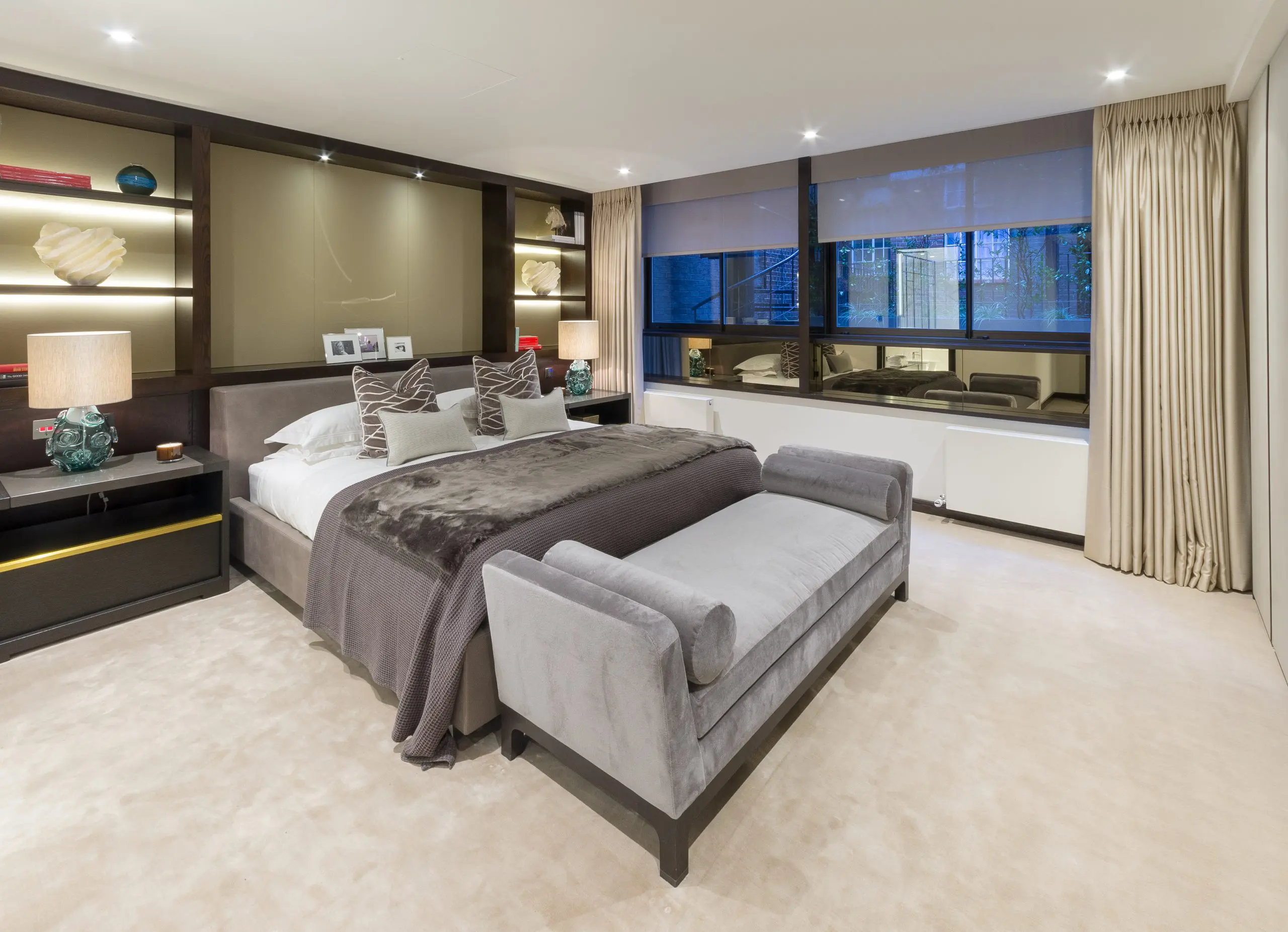
For high-end residential work, protecting the design intent should remain a priority throughout the process. The success of a project is often determined by the details: how materials meet, how lighting is integrated, how bespoke joinery fits within the architecture and how services are concealed without affecting the finished appearance.
An effective Design and Build contractor should be able to work closely with the client and their chosen designers to develop these details, identify potential conflicts and establish suitable technical solutions before construction reaches the relevant stage.
At Guildprime, our experience of delivering design-led residential and refurbishment projects, supported by our in-house bespoke joinery manufacturing capability, gives us an understanding of the coordination required between design, manufacture and installation.
Early consideration of these relationships can help reduce the need for compromises on site, particularly where bespoke staircases, fitted furniture, panelling and other architectural features form an important part of the overall design.
More effective programme management
The construction programme is another area where an integrated approach can offer advantages. Design decisions, technical approvals, procurement and site activities are closely connected, and delays in one area can have consequences for the others.
With the contractor involved during design development, long-lead materials and specialist packages can be identified earlier, allowing procurement requirements to be incorporated into the overall programme. Where appropriate, certain design and procurement activities may also progress alongside other stages of the project.
This can be particularly beneficial for residential schemes involving bespoke joinery, specialist finishes, structural steelwork or complex building services, where manufacturing and delivery periods need to be carefully coordinated with site progress.
Design and Build does not automatically guarantee a shorter programme. Planning approvals, design changes, existing building conditions and client decisions can still affect completion dates. Its value lies in the opportunity to manage these dependencies through a more coordinated process, with design and construction teams working towards the same programme objectives.
Managing the challenges of existing buildings
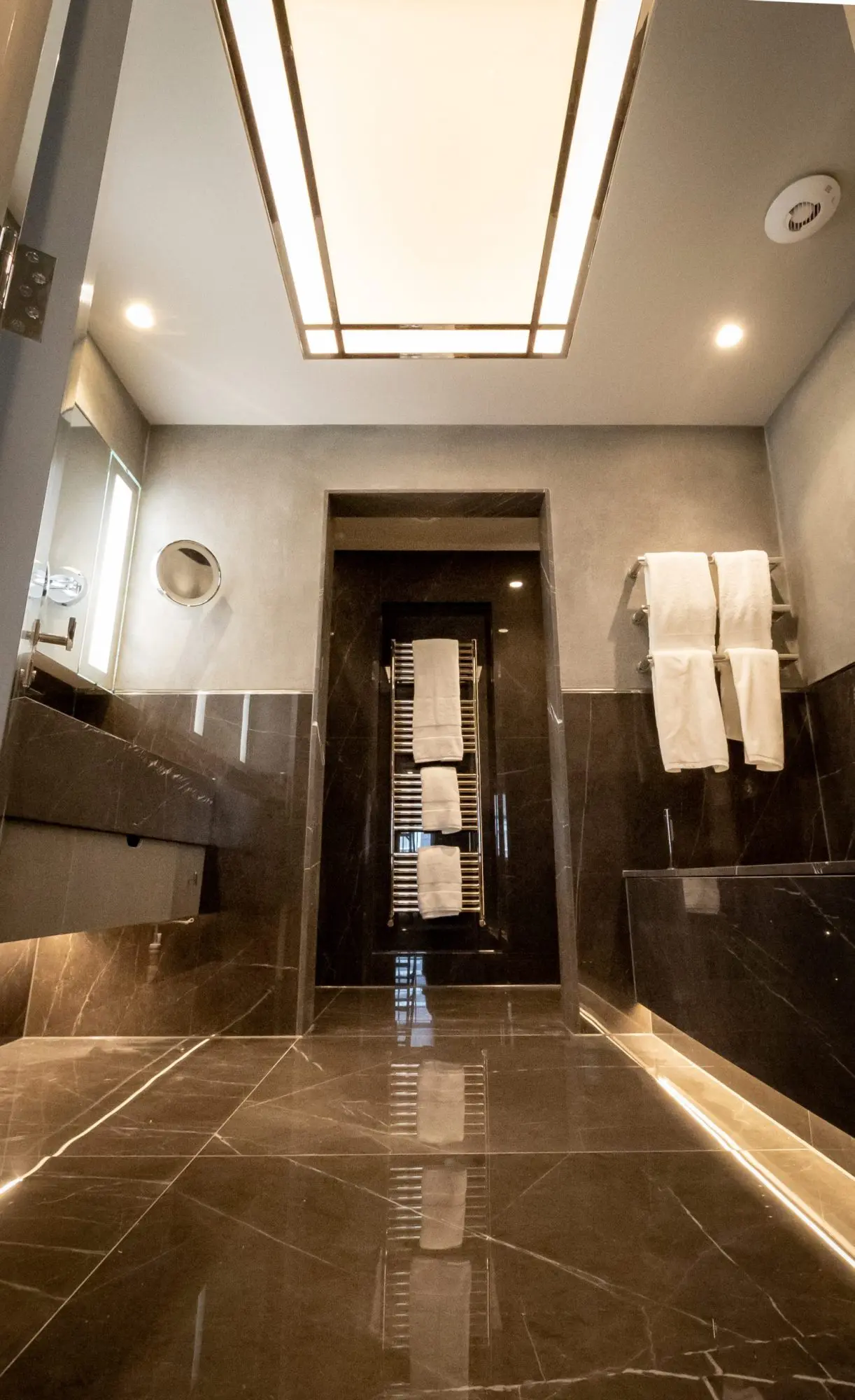
Refurbishing an existing property brings a different set of considerations from constructing a new building. Older properties may contain undocumented alterations, concealed structural conditions, outdated services or irregular construction details that are not apparent during the initial design stages.
These issues are particularly relevant in London and the South East, where high-end residential projects frequently involve period properties, constrained sites and buildings with architectural or heritage considerations.
Early involvement from a contractor experienced in refurbishment can help identify where additional surveys, opening-up works or technical investigations would be worthwhile before the design is finalised.
Although investigations cannot eliminate every unknown, they can provide a better understanding of the existing building and allow the project team to plan more realistically. Where unexpected conditions do arise during construction, closer integration between the design and delivery teams can help decisions to be made more efficiently.
Greater coordination of specialist trades and bespoke elements
High-end residential projects often involve a considerable number of specialist trades, from mechanical and electrical installations to stonework, decorative finishes, glazing and bespoke joinery. Each element must be coordinated with the others, often within restricted spaces and to very precise tolerances.
Design and Build provides an opportunity to consider these interfaces as part of the design process, rather than leaving them to be resolved independently by different contractors once work is under way.
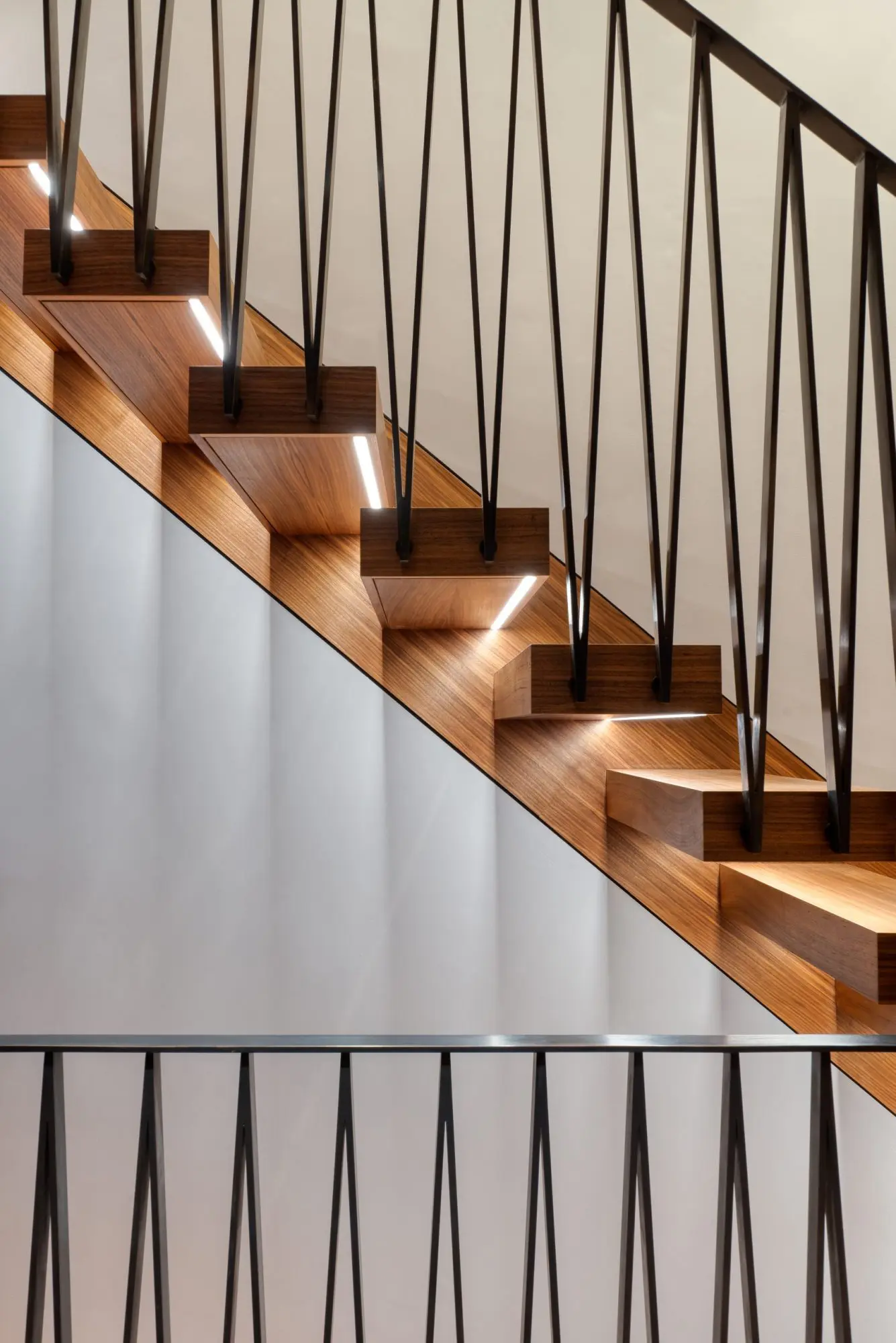
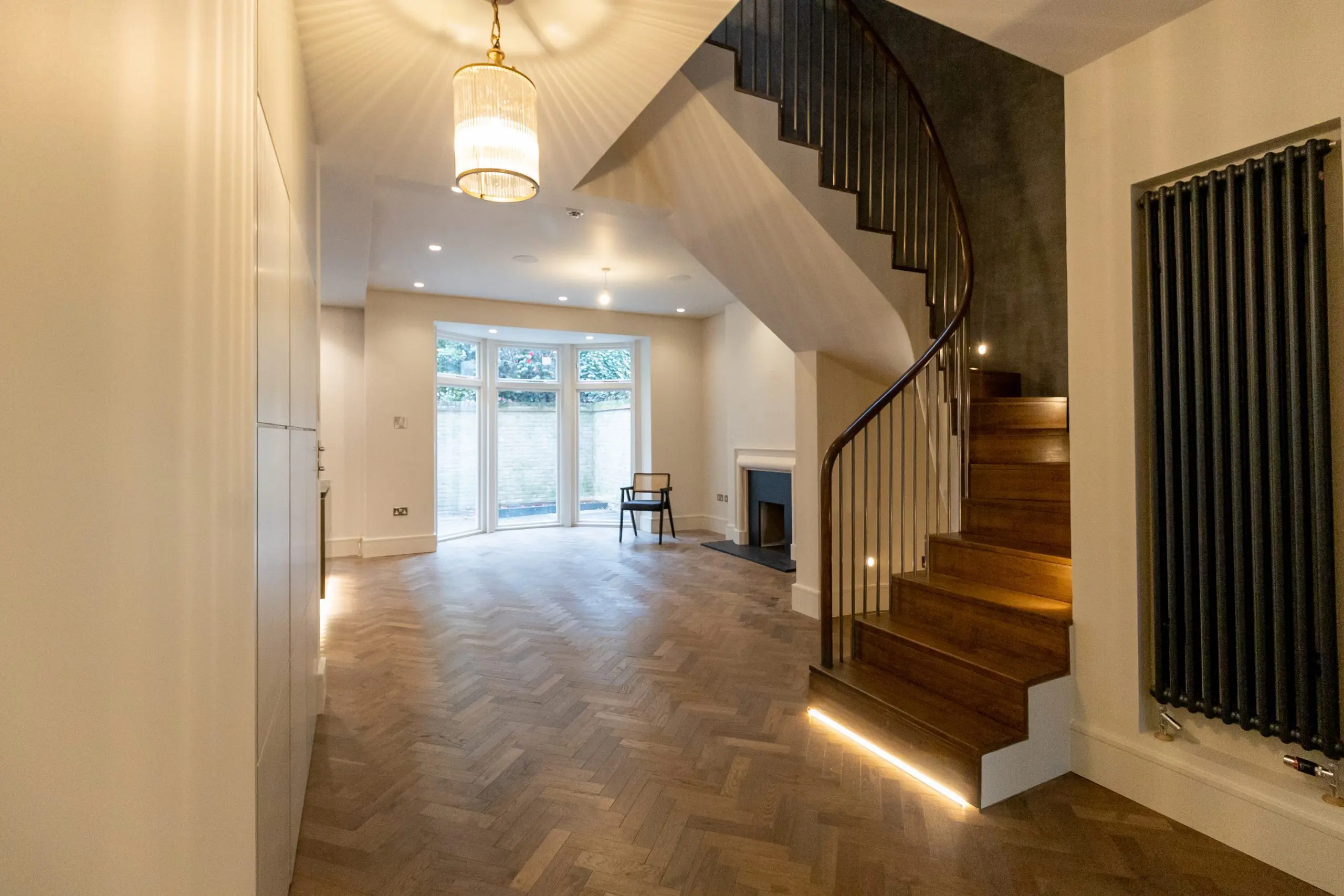
For example, a bespoke staircase may need to accommodate structural connections, lighting, adjacent finishes and exact site dimensions. Similarly, fitted joinery may need to integrate ventilation, electrical services, audio-visual equipment and architectural lighting without compromising the appearance of the finished installation.
Guildprime’s in-house joinery facility allows our manufacturing and construction teams to work closely together on these details. Experience gained through projects such as Grosvenor Crescent Mews, which included a bespoke staircase, demonstrates the importance of bringing specialist craftsmanship and practical construction knowledge together when delivering individual residential interiors.
Is 'design and build' right for every project?
Design and Build can offer considerable advantages, but it is not necessarily the most appropriate route for every residential scheme.
Some clients prefer to retain separate contractual relationships with their architect and contractor, particularly where they want an independently administered building contract or greater direct control over the development of the design before construction is tendered.
The suitability of Design and Build will depend on the nature of the project, the stage of design development, the client’s priorities and the level of involvement they wish to maintain.
For clients considering this approach, it is worth discussing how the contractor will manage design responsibility, cost reporting, specification control, approvals and quality assurance. A clear set of employer’s requirements, supported by appropriate contractual arrangements, can help ensure that the client’s expectations are understood and protected.
Bringing design and construction together
The greatest benefit of Design and Build is not simply having fewer organisations to manage. It is the opportunity to bring design thinking, construction experience, cost management and programme planning together in a coordinated process.
For high-end residential projects, where quality, individuality and attention to detail are essential, this approach can help clients make better-informed decisions and reduce the risk of design and construction requirements becoming disconnected.
At Guildprime, we combine our experience of high-end residential construction and refurbishment with specialist project delivery and in-house bespoke joinery manufacturing. Our approach is built around understanding the client’s objectives, protecting the design intent and ensuring that practical construction considerations are addressed from the earliest stages.
For homeowners and developers planning a residential project in London or the South East, involving an experienced Design and Build contractor early can provide a clearer understanding of the opportunities, challenges and decisions that will shape the finished result.

ABOUT THE AUTHOR
Domonic Mahoney
Marketing Manager, Guildprime
Domonic Mahoney is Marketing Manager at Guildprime, with over 14 years’ experience working in the construction industry. His role involves communicating the company’s expertise across high-end construction, refurbishment and fit-out projects, drawing on the knowledge and experience of Guildprime’s project delivery and specialist teams.
About Guildprime
Guildprime Specialist Contracts Ltd delivers high-end construction, fit-out and refurbishment projects across the residential, commercial, retail, hospitality and sports stadia sectors. Established in 1985, we combine extensive project experience with bespoke joinery manufactured at our own facility in Billericay, Essex.